
Introduction
Every time I land in Venezuela, something hits me before I even leave the airport: the women here look different from anywhere else I’ve traveled. Not “different” in a cliché beauty-pageant way, but in a way that makes you pause, look twice, and wonder about the mix of stories behind each face. Venezuela women come from a country with African, Indigenous, European, Middle Eastern, and Caribbean roots all tangled together, and that mix shows up everywhere you go.
Walk through a market in Maracaibo, and you’ll see women with deep skin tones, bright eyes, and curls that move with the wind. Spend a day in Mérida, and you’ll meet women with lighter skin, softer features, maybe green eyes or freckles. On the coast, the sun gives everyone a glow that looks permanent. I’ve dated women from all these regions, and every time I thought I finally understood “Venezuelan beauty,” I’d meet someone with a completely different look that didn’t fit any stereotype.
People outside the country sometimes talk about “Venezuelan beauty” like it’s one single style. It’s not. It’s cultural diversity showing up on thousands of unique faces. And if you’re dating or hoping to date a Venezuelan woman, understanding where that beauty comes from—and how people here see themselves—helps you connect deeper.
So let me walk you through what I’ve seen, what I’ve learned, and a few stories from those moments where I couldn’t help but think, “Wow…no wonder Venezuelan women have the reputation they do.”
Facial Features of Venezuelan Women
If you’ve spent your life in the U.S., you’re probably used to a certain range of facial features depending on the city you live in. Venezuela throws that whole map out the window. The country’s mixed heritage creates face shapes and combinations you don’t see often in one place.
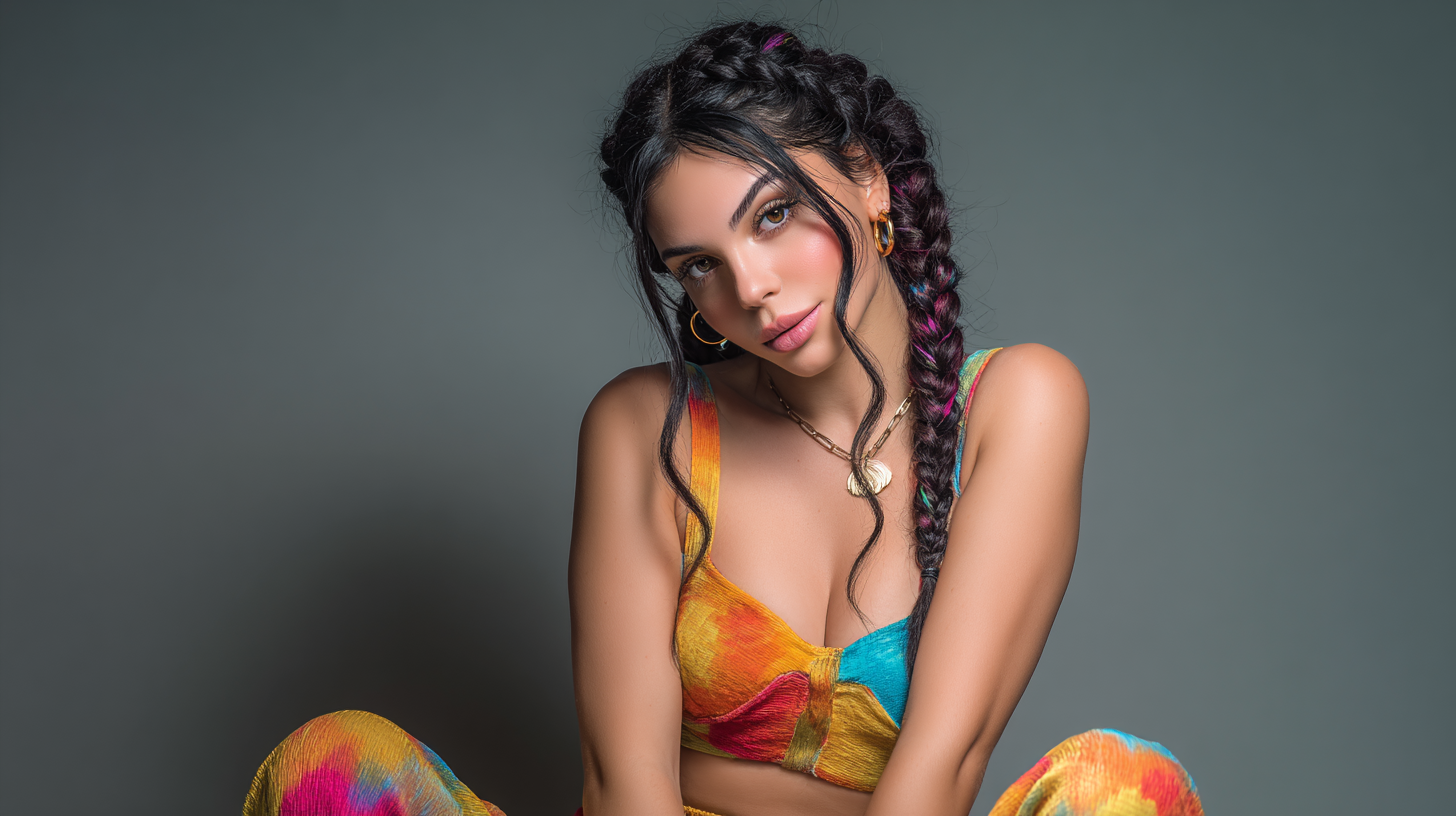
You’ll find women with sharp cheekbones and deep brown eyes that feel like they’re reading you even when you’re just saying hello. Others have rounder faces with softer jawlines and eyes that shift from honey to green depending on the light. Some women have long, straight hair paired with darker skin; others have tight curls and light skin; some have wavy hair and freckles. There’s no “one look” here. That’s what makes it so interesting.
I remember sitting in a café in Valencia once, watching the lunch crowd pass by. Every woman walking in had a distinctive face—different eye shapes, different textures of hair, different skin tones. One woman had bright hazel eyes framed by thick black lashes; another had soft brown eyes and a smile that made everyone else smile back. A woman behind me had a mix of Afro-Caribbean features and straight hair dyed copper. I must have looked distracted because the waiter laughed and said, “You’re not from here, right? You’re looking at everyone like it’s your first time.”
Even stereotypes fall apart once you start meeting people. Some Americans assume Venezuelan women always look “exotic,” but exotic means nothing here—it’s just everyday life. The diversity is natural. The beauty is different because the combinations are different.
And here’s something else I learned while dating: Venezuelan women are proud of their looks, but not in a conceited way. They take care of themselves. They know they’re attractive. But they also know their features come from generations of mixed heritage—something they carry with pride.
Body Types of Venezuelan Women
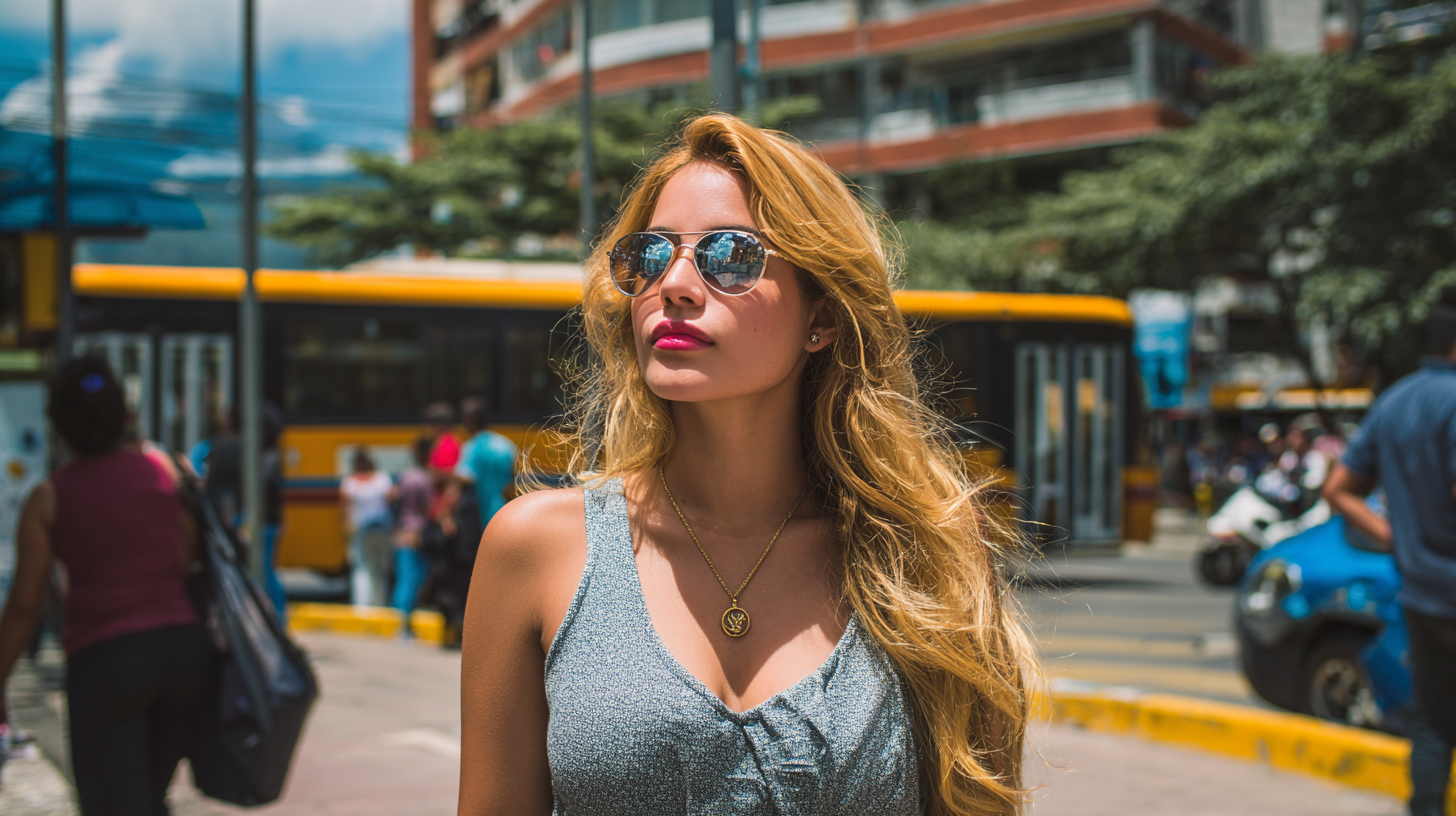
Just like their faces, Venezuelan women’s body types vary wildly. If you walk through a mall in Caracas, you’ll see every shape you can imagine—curvy women, athletic women, petite women, tall women. That mixed heritage I mentioned earlier shows up in the way their bodies are built too.
Curvier body types are common and celebrated. A lot of Venezuelan women naturally have fuller hips and thighs, and the culture appreciates it. Nobody’s shaming anyone for having curves. I remember dating a woman from Maracay who laughed when I mentioned U.S. beauty standards. She said, “In Venezuela, if you don’t have curves, you create them with clothes.” She wasn’t joking. Clothing here is designed to show the body, not hide it.
But not everyone fits that mold. Women from the Andean regions often have slimmer builds. Women from coastal areas sometimes have athletic bodies from being outdoors all the time. Women from larger cities might follow gym trends and have very toned shapes. There’s no single Venezuelan body type any more than there’s a single Venezuelan face.
The cultural expectation, though, is consistent: Venezuelan women care about looking good. Even on a quick errand, most women will dress in a way that flatters their body—fitted jeans, good tops, clean sneakers or sandals. Not because they’re trying to impress men. Because it’s part of the beauty standards in Venezuela. Presentation matters.
And yes, some women mix natural beauty with enhanced options. Cosmetic procedures aren’t taboo here; they’re common conversation. But even that varies by region and personal preference. Some women prefer everything natural; others enjoy adding a few enhancements. It never feels like a requirement—it feels like choice.
One thing I can say without hesitation: Venezuelan beauty standards may be strong, but the variety is even stronger. You’ll meet women who look completely different yet fit perfectly into what Venezuela considers beautiful.
Fashion and What Venezuelan Women Wear
Clothing in Venezuela isn’t just fabric; it’s part of daily identity. The way women dress here tells you how they feel, where they’re going, and sometimes even what kind of music they grew up with. I’ve dated women from Caracas, Maracay, Valencia, Mérida, and the coast, and every one of them had her own style—but all of them cared about looking put together. Venezuelan beauty is tied to self-presentation, and women here carry that with confidence.
Even on days when the economy feels heavy or life gets complicated, Venezuelan women still step out looking sharp. That’s something I noticed early on. I remember once showing up to meet a woman in shorts, thinking, “It’s hot, she won’t care.” She showed up looking like she’d walked out of a lifestyle magazine—hair done, stylish jeans, bright lipstick. I felt underdressed by a mile.
So let’s break down how Venezuelan women choose what they wear day to day.
Everyday Clothing Styles
Daily fashion in Venezuela is a blend of comfort, curves, and color. Women dress to flatter their bodies, not hide them. Fitted jeans are almost a national uniform—skinny, high-waisted, or sculpted designs that show shape without being too flashy. Tops range from simple T-shirts to bright, stylish blouses. Even when a woman is just going to the supermarket, she looks coordinated. There’s pride in showing the best version of yourself, even on an “ordinary” day.
Climate plays a role too. Coastal cities push women toward light fabrics—cotton dresses, crop tops, airy blouses, shorts. In cooler Andean areas, you’ll see sweaters, boots, and layered outfits that still manage to look polished. No matter the region, women mix everyday practicality with style.
Colors are another thing. Venezuelan women love bright tones—reds, yellows, deep greens, bold patterns. You won’t see a lot of the all-black minimalist style you find in the U.S. They like being seen, and they’re not shy about it.
I’ve walked through Caracas malls many times and noticed how every woman, from teenagers to grandmothers, treats casual outfits like a chance to present her personality. It’s not about money; it’s about effort.
Evening Wear and Special Occasions
Nighttime in Venezuela is a whole different fashion chapter. Whether it’s a birthday dinner, a nightclub, or a family event, women dress up. And I mean dress up.
You’ll see bodycon dresses, elegant jumpsuits, skirts paired with fitted tops, and outfits designed to highlight curves in a tasteful, confident way. Venezuelan beauty standards appreciate a woman who knows how to style herself for an evening out.
I once dated a woman named Karina who took evening fashion very seriously. We were going to a small engagement party—nothing extravagant—and she spent an hour choosing between two dresses. Both looked great, but she said, “It’s not about what I like, it’s about how it photographs.” Venezuelans think about photos. Every event ends up on someone’s phone, and everyone knows it.
Accessories matter too. Earrings, bracelets, necklaces—women here pick accessories like they’re completing a puzzle. Not too much, but enough to stand out. Makeup also shifts from soft daytime looks to bold colors, smoky eyes, and defined lips. It’s a whole transformation.
Special occasions like weddings or quinceañeras bring elegance to another level. You’ll see long gowns, luxurious fabrics, carefully styled hair, and dramatic makeup looks. It’s impressive, and honestly, beautiful to watch.
Footwear Choices
Footwear deserves its own section because Venezuelan women take it seriously. Shoes tie the whole outfit together, and they choose them with precision.
On casual days, you’ll see clean sneakers, stylish sandals, or platform shoes. Even flat sandals look intentional—matched to the outfit, clean, sometimes even jeweled.
But heels? Heels are everywhere. Venezuelan women love wearing heels for dinners, parties, and social gatherings. Sometimes even for a simple date. Neutral heels, colorful heels, wedge heels—they wear what makes their posture look strong and their walk confident. I’ve seen women navigate cracked sidewalks and uneven streets like it’s nothing.
A woman I dated from Maracaibo once told me, “Heels are not pain; heels are attitude.” I didn’t argue.
Even in smaller towns, where the streets aren’t exactly heel-friendly, women still bring them along. They might walk in flats to the venue, then switch shoes before entering. It’s part of the routine.
Footwear here does more than complement the outfit—it expresses mood and confidence.
Beauty Standards in Venezuela
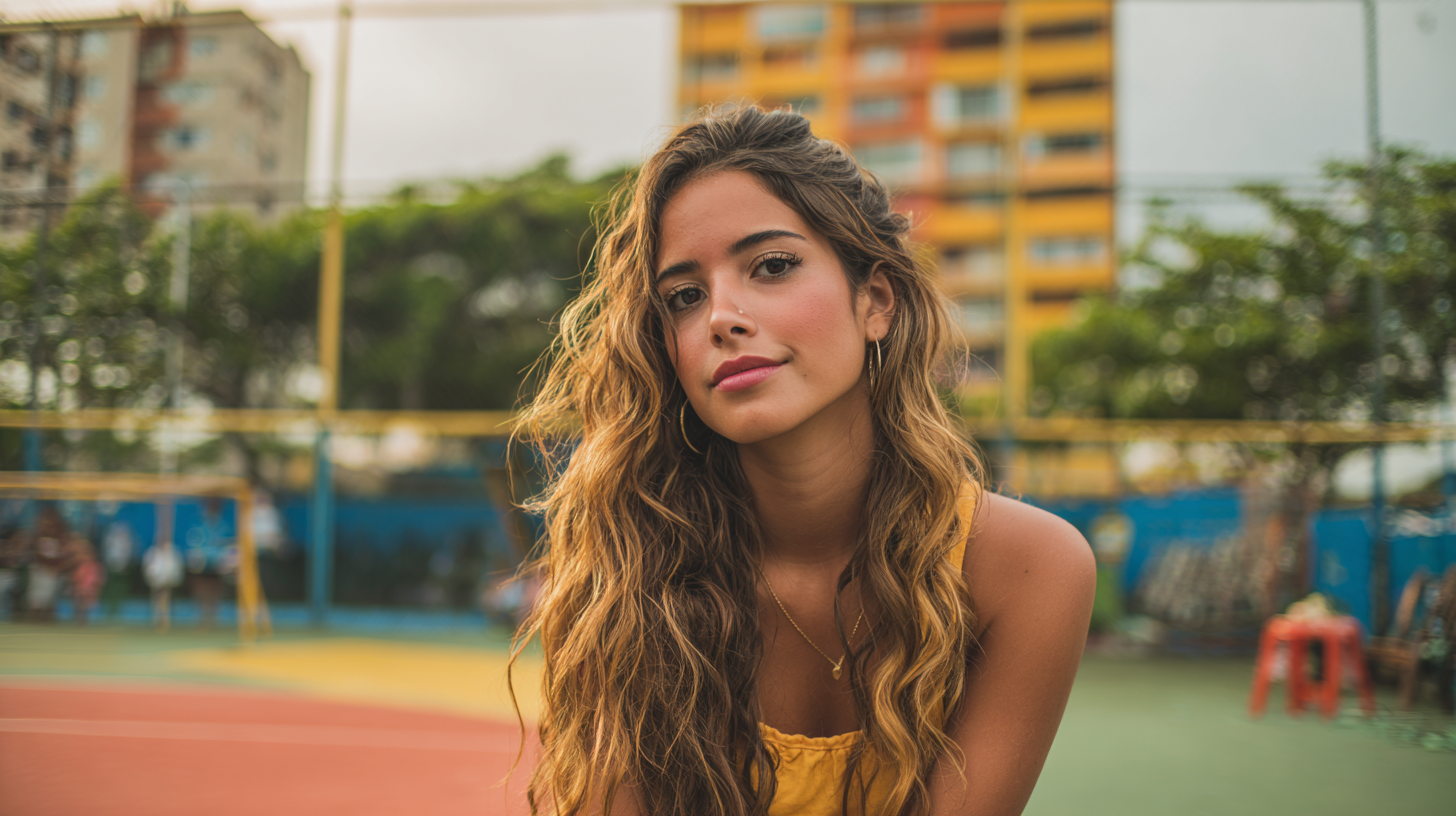
Beauty standards in Venezuela are strong, talked about openly, and woven into everyday life. You can feel them even if you’re just walking down a busy street or grabbing a coffee. Women here grow up surrounded by beauty contests on TV, mothers who teach them grooming from a young age, and a social culture that values looking put-together. But it’s not superficial—it’s pride. Presentation is part of Venezuelan identity.
When I first started spending time in the country, I noticed something right away: Venezuelan women don’t apologize for wanting to look good. They don’t pretend it doesn’t matter. They treat beauty the same way Americans treat sports or hobbies—as something you work on, enjoy, and talk about without embarrassment.
Still, the standards aren’t one-size-fits-all. They’re influenced by mixed heritage, regional styles, and personal taste. That’s what makes it interesting. There’s structure, but there’s also freedom to express individuality.
Let’s break down what these standards look like up close.
General Beauty Ideals
If you ask ten Venezuelans what “attractive” means, you’ll probably get ten different answers. But there are patterns. People here appreciate women who look fresh, confident, and polished. That can mean sleek hair or big curls, bold makeup or barely any, curvy bodies or slimmer frames. There’s room for variation.
Cultural diversity plays a massive role in beauty perception. A woman with Indigenous features is admired just as much as someone with European features or Afro-Caribbean traits. Venezuela beauty standards don’t push one specific look—they admire contrast, mixed traits, and distinctive appearances. That’s why the idea of “exotic beauty” exists here, even though locals don’t use that phrase. They simply see beauty as something unique to each woman.
What stands out is effort. Venezuelan beauty isn’t about perfection—it’s about showing you care. Clean nails, styled hair, flattering clothes. Even during tough economic times, women here still find a way to look sharp. It’s a cultural habit that never really fades.
Cosmetic Procedures and Treatments
Now, let’s talk about something foreigners often misunderstand: cosmetic procedures. They’re common in Venezuela, and not taboo at all. Women talk about them casually, like Americans talk about haircuts. But the stereotype that “every Venezuelan woman gets surgery” is far from true.
A lot of women prefer natural beauty. Others enjoy small enhancements—fillers, skin treatments, lip hydration, subtle contouring procedures. Big surgical changes exist, but they’re not as widespread as people outside the country imagine.
I once dated a woman from Caracas who explained it perfectly: “Venezuela has strong beauty standards, but we choose what fits us. Natural or enhanced, it’s our decision.” That stuck with me. There’s no shame either way.
Salon culture also plays into this. Hair treatments, facials, body creams, waxing—these are a normal part of grooming. Women treat self-care seriously. It’s not vanity; it’s maintenance.
Haircare and Hairstyles
Hair in Venezuela is a whole world by itself. The variety is incredible—curly, coily, wavy, straight, thick, fine, mixed patterns. And every woman has her own routine. I’ve dated women who spent half an hour applying anti-frizz creams, others who relied on natural curls and walked out the door, and some who straightened their hair regularly because they liked the sleek look.
Salons are everywhere. And they’re busy. Women go for blowouts, trims, hair masks, keratin treatments, and color work. Even in smaller towns, you’ll find talented stylists who know how to work with every hair type under the sun. It’s a point of pride.
One woman I went out with from Maracay told me her hair routine was a “full-time job,” but she said it with a grin. She enjoyed it. Venezuelan women usually do. Hair is a way to express their identity, whether that means bold highlights, natural curls, long waves, or short cuts.
Makeup Trends
Makeup in Venezuela is almost an art form. Not because everyone wears heavy makeup—many don’t—but because women know how to use it well. Daytime makeup is usually soft: light foundation, gloss, mascara, maybe a bit of eyebrow definition. Nothing exaggerated.
Evening makeup, though, is a different story. That’s when Venezuelan beauty turns bold. Smoky eyes, dramatic lashes, strong lip colors, defined cheekbones. It’s glamorous without feeling like a costume.
The influence of beauty pageants is real. Venezuela spent decades dominating international competitions, and that shaped makeup trends. Contouring became popular here long before it spread across U.S. social media. So did dramatic eye looks. But again, not every woman follows these trends. Some prefer natural beauty over anything else.
I’ve gone on dates where the woman looked like she walked right out of a fashion shoot—and other dates where the woman wore almost nothing on her face except sunscreen and a smile. Both felt authentic. That’s the thing: makeup here isn’t required, but when women use it, they use it well.
Conclusion
After years of traveling through Venezuela and meeting women from every corner of the country, I’ve realized something simple but important: Venezuelan beauty isn’t a single style or formula. It’s variety. It’s confidence. It’s effort mixed with natural charm, cultural pride mixed with individual expression.
Some women prefer natural looks, others lean into enhancements. Some wear bold makeup, others keep things soft. Some embrace big curls, others straighten their hair every morning. None of these choices define beauty in Venezuela—they just show how much room there is for personality.
And maybe that’s what makes Venezuela beauty standards so interesting. They’re strong, but flexible. They push you to present your best self, but they leave space for authenticity. If you’re dating a Venezuelan woman or hoping to someday, you’ll see exactly what I mean. The beauty is real—but the personality behind it is what stays with you.
 Find the best bride now...